



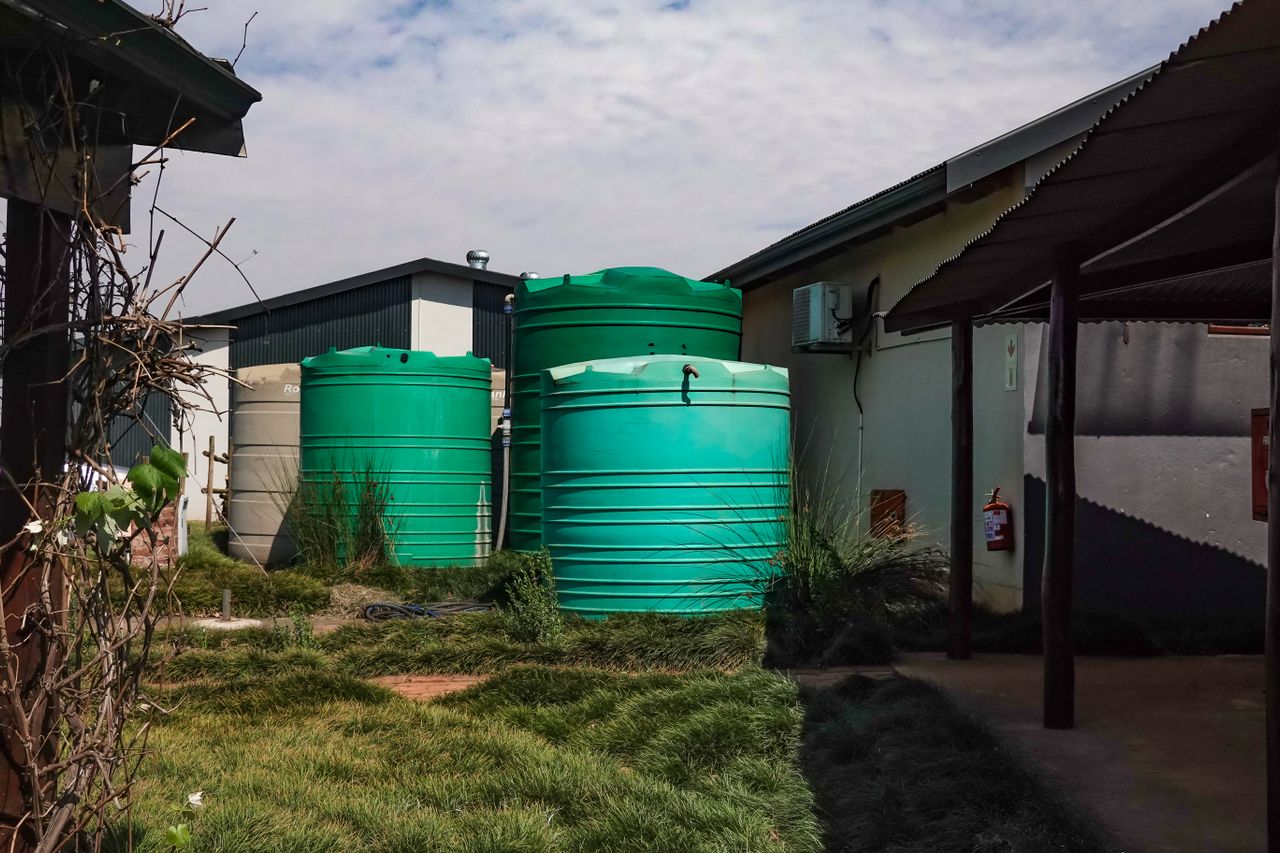
Every farm operation runs on water, and the systems that store, move, and protect it often work quietly in the background until something goes wrong.
Farmers today have more options than earlier generations when it comes to managing water across a property, from how it gets pulled from the ground to how it gets held in reserve for dry stretches. A farm’s productivity, animal welfare, operational reliability, and ability to respond to emergencies all trace back to how well these systems are managed.
This article walks through the main pieces of farm water infrastructure, what each one does, and what farmers should know before relying on them.
Irrigation System Types and Their Role
Irrigation remains one of the most water-intensive parts of farm operations, and the method chosen affects both water use and crop outcomes. Drip systems deliver water directly to plant roots and tend to reduce waste compared to broader spray methods. Overhead systems cover larger areas more quickly and suit certain crop types better than others.
Agricultural equipment dealers and irrigation contractors are the usual resource for farmers weighing a new or upgraded system, since they can evaluate soil type, crop needs, field layout, and existing water pressure before making a recommendation.
Groundwater Wells and Water Rights
Many farms rely on wells as a primary water source, drawing from underground aquifers that can supply water year-round. Establishing a well means understanding local water rights, which vary significantly by region and can affect how much water a farm is legally allowed to pump.
Well depth and water quality also depend heavily on the geology beneath a given property. Licensed well drilling contractors handle the technical side of the process, including the permitting work that shifts depending on where the farm is located.
Vertical Water Storage Tanks
Vertical water storage tanks have become a common fixture on farms because they hold a substantial amount of water while taking up a smaller footprint than sprawling ponds or horizontal tanks.
These vertical water storage tanks are often used to store water pulled from wells or municipal connections, creating a reserve that can be drawn on for irrigation, livestock, equipment cleaning, or general farm use during periods when demand outpaces supply. Materials vary between polyethylene, steel, fiberglass, and concrete, each offering different durability and maintenance considerations depending on climate and water type.
Agricultural supply companies and tank manufacturers that focus on farm applications are where most farmers turn when adding this kind of storage, and many of them offer delivery and setup guidance based on the property’s layout.
Livestock Watering Infrastructure
Animals on a farm need consistent, clean access to water, and the systems that provide this look different depending on herd size and pasture layout. Many ranchers turn to agricultural water system specialists when planning these layouts, since pasture size and herd movement both affect where troughs should sit. Troughs connected to a central storage source allow water to reach multiple pasture areas without requiring animals to travel long distances.
Freeze protection becomes an important consideration in colder climates, since frozen troughs can quickly become a welfare issue.
Rainwater Collection Systems for Agricultural Use
Collecting rainwater has grown more common on farms as a way to supplement other water sources without added strain on wells or municipal supply. Roof runoff from barns and outbuildings can be redirected into storage systems, capturing water that would otherwise simply run off the property.
This collected water often gets used for non-potable purposes like irrigation or equipment washing, easing pressure on drinking water sources. Regional agricultural contractors familiar with local rainfall patterns typically handle the installation of gutter diversion and catchment systems.
Raised and Horizontal Tank Alternatives
Beyond vertical tanks, farms sometimes use raised tanks or horizontal storage options depending on space constraints and water pressure needs. Raised tanks use gravity to help move water through a farm’s distribution system, which can reduce the need for constant pumping.
Horizontal tanks tend to suit properties with limited vertical clearance or specific placement restrictions near buildings. Suppliers who carry vertical tanks usually stock these alternatives too, which gives farmers a chance to compare options suited to their site conditions.
Water Quality Testing and Filtration
Stored and pumped water on a farm is not automatically safe or suitable for every use, which makes regular quality testing an important part of ongoing operations. Contaminants can enter water supplies through soil runoff, aging infrastructure, or natural mineral content in groundwater. Filtration needs shift depending on the water’s intended purpose, covering livestock, irrigation, equipment cleaning, and human consumption around the property.
Testing and filtration work is usually handled by agricultural water labs and equipment providers who understand farm-specific requirements, which differ from typical residential water treatment.
Drought Preparedness and Contingency Water Supply
Farms in regions prone to dry spells often build contingency planning directly into their water infrastructure.
Having reserve storage on hand, in the form of tanks or ponds, gives an operation an extra supply to draw on when regular sources become strained. Some farms coordinate with neighboring operations or local water districts to establish backup access during severe shortages. Crop loss and livestock stress during drought periods can affect a farm’s viability for seasons afterwards, which is exactly why this kind of planning matters.
Fire Protection Water Reserves for Rural Properties
Rural properties without access to municipal fire hydrants face a distinct set of challenges when it comes to fire safety. A dedicated reserve supply, connected in a way that emergency responders can access quickly, gives firefighters something to draw from that a well alone often cannot provide fast enough.
This becomes especially relevant in areas prone to wildfire risk, where response time makes a significant difference. Local fire departments and rural water consultants are a useful resource for farms trying to determine where a reserve should sit relative to buildings and access roads.
Water infrastructure touches nearly every part of a farm’s daily operation, even when it goes unnoticed most of the time.
From the wells that pull water from the ground to the tanks that hold it in reserve, each piece plays a specific role in keeping crops watered, animals hydrated, buildings protected, and daily operations running. Farmers who take time to understand how these systems connect are better equipped to make decisions that serve their property for years to come.
As farming continues to face shifting weather patterns and resource pressures, having a clear grasp of water infrastructure remains one of the more practical steps an operation can take toward long-term stability.