



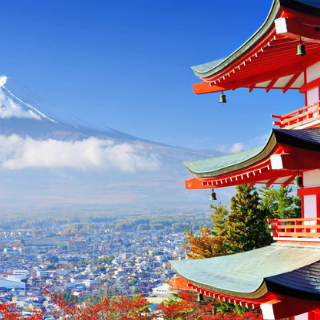
Planning a holiday to Japan from India? Understanding the Japan trip cost in advance can help you manage your travel budget and enjoy a memorable international holiday without unnecessary expenses. From experiencing Tokyo’s modern lifestyle and Kyoto’s traditional temples to exploring Osaka’s food streets and enjoying Mount Fuji views, Japan offers something for every traveller.
The overall cost depends on your travel season, flight bookings, hotel preferences, transportation, food choices, and sightseeing plans. With smart planning and the right itinerary, Indian travellers can explore Japan comfortably with a budget of approximately ₹3 lakh per person for a 6–8-day holiday.
1. Japan Trip Cost from India: Estimated Budget Breakdown
For a 6–7-day mid-range Japan holiday, the estimated expenses per person are:A well-planned trip can fit within a ₹3 lakh budget. However, these prices are indicative and may vary depending on travel dates, exchange rates, availability, and personal preferences.
2. Transportation in Japan: JR Pass and Local Travel
Japan is known for its efficient public transportation system, making it convenient to travel between major cities and tourist attractions.
The Japan Rail Pass (JR Pass) is a popular option for international travellers planning to visit multiple cities. A 7-day JR Pass is estimated to cost approximately ₹28,000–₹32,000 per person, according to the provided budget guide.
Travellers can use Japan’s extensive railway network for intercity journeys, including Shinkansen bullet train experiences. For travelling within cities, metro trains and buses are convenient options, with an estimated local transportation budget of ₹5,000–₹8,000 for the trip.
Planning your route in advance and selecting hotels near railway stations can help reduce unnecessary commuting expenses.
3. Hotel Costs in Japan: Where Should You Stay?
Accommodation is another important component of your Japan travel budget. Business hotels, capsule hotels, and budget-friendly accommodation options offer comfortable choices for travellers looking to manage expenses.
Business hotels are suitable for travellers looking for private rooms with basic facilities. Capsule hotels can help save money, although they offer less privacy and space.
Booking accommodation close to train stations is a practical way to save both time and transportation expenses. Hotel prices can increase considerably during cherry blossom season and autumn foliage periods.
4. Food Expenses in Japan: Budget-Friendly Options for Indians
Food expenses depend on your dining preferences and dietary requirements. Japan offers several affordable food options, including convenience stores, local restaurants, ramen shops, and street food outlets.
Estimated food expenses include:
- Convenience store meals: ₹300–₹500
- Ramen meals: ₹500–₹800
- Conveyor belt sushi: ₹800–₹1,200
- Mid-range restaurants: ₹1,200–₹2,000
- Street food: ₹300–₹600
For Indian travellers, finding suitable vegetarian meals may require some planning. Applications such as Google Translate, HappyCow, Vegewel, and Japan VegeMap can help identify suitable food options and communicate dietary preferences.
Travellers who prefer familiar Indian meals can also consider organised group tours offering Indian food throughout the journey.
5. Sightseeing Costs: Explore Japan Without Overspending
Japan has several attractions that can be explored free of charge or at relatively affordable entry prices.
Tokyo: Visit Senso-ji Temple, Meiji Shrine, Shibuya Crossing, and Ueno Park. Many of these attractions are free, while Tokyo Skytree costs approximately ₹2,000–₹3,000.
Kyoto: Explore the famous Fushimi Inari Shrine, Arashiyama Bamboo Grove, and Gion District. Kinkaku-ji offers another memorable cultural experience with an approximate entry fee of ₹400.
Osaka: Discover the vibrant Dotonbori area, Kuromon Market, and Shinsekai. Osaka Castle has an approximate entry fee of ₹700.
Mount Fuji: Enjoy beautiful mountain views from locations such as Hakone and Lake Kawaguchi. These destinations offer memorable sightseeing opportunities without necessarily climbing the mountain.
Keeping a combination of free attractions and selected paid experiences in your itinerary can help control your overall sightseeing budget.
Also Read:
Japan Visa for Indians 2026-27: Requirements, Documents & Application Process