



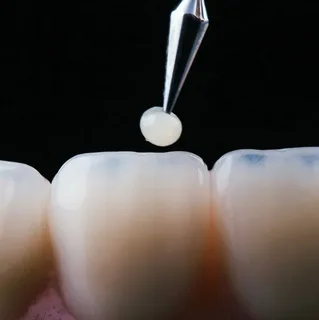
Restorative dentistry continuously seeks the perfect balance between structural resilience and visual authenticity. For years, patients and practitioners had to compromise, often choosing between the raw strength of metal alloys and the aesthetic appeal of highly brittle porcelains. Today, advancements in material sciences have bridged that gap remarkably well. Among the most prominent developments in this restorative sphere is the evolution of advanced glass-ceramics. These materials have transformed how dental professionals approach highly visible tooth repairs, offering a seamless integration with natural human enamel.
The Foundation of Lithium Disilicate
The core of this specific restorative approach relies on a highly engineered compound known as lithium disilicate. When patients receive e-max crowns, they are benefiting from a specialized glass-ceramic designed specifically for demanding dental applications. Unlike traditional porcelain-fused-to-metal (PFM) alternatives, which contain a dark, opaque substructure to provide strength, lithium disilicate is completely metal-free.
This monolithic, single-material structure means the prosthetic is uniform throughout. It entirely eliminates the dreaded dark grey line that frequently appears at the gingival margin as gums naturally recede over time. The absence of a metal core also makes these restorations highly biocompatible. The human body readily accepts the ceramic, virtually eliminating the risk of localized allergic reactions, metallic tastes, or chronic tissue inflammation in the surrounding oral environment.
Superior Optical Performance and Aesthetics
The primary reason dental experts at specialized aesthetic facilities like Dentprime select this material is its unparalleled optical performance. Natural tooth enamel possesses a distinct, dynamic translucency; it allows light to penetrate the surface and scatter before reflecting off the denser dentin layer beneath. Standard synthetic dental materials often fail to replicate this light-scattering effect, resulting in teeth that look dense, flat, and noticeably artificial under direct lighting.
Lithium disilicate mimics organic enamel with astonishing accuracy. Master ceramists in the dental laboratory can finely adjust the opacity and shade to perfectly match adjacent teeth. This creates a highly desirable “chameleon effect,” where the restoration blends invisibly into the existing dental arch. This exceptional visual integration firmly establishes the material as the gold standard for restoring the anterior dentition the highly visible front teeth that dictate the overall harmony of a person’s smile.
Structural Integrity and Adhesion
While aesthetic brilliance is a defining characteristic, the structural integrity of the material is equally impressive. Historically, highly translucent dental ceramics were notoriously fragile, prone to chipping or fracturing under the immense, repetitive pressure of the human bite. The unique crystalline structure of lithium disilicate actively addresses this vulnerability.
During the manufacturing phase, the glass-ceramic is subjected to extreme heat, causing the internal microscopic crystals to tightly interlock. This thermal processing yields a flexural strength significantly higher than that of standard feldspathic porcelains. Furthermore, these crowns are placed using advanced adhesive dentistry protocols. When permanently bonded to the underlying tooth using specialized resin cements, the restoration effectively merges with the natural tooth root. This creates one unified structure capable of withstanding standard incisal and chewing forces with ease.
The Clinical Preparation Protocol
The medical protocol for placing these sophisticated restorations demands exacting precision. Because the material retains remarkable strength even in relatively thin layers, the dentist can adopt a highly conservative approach during the preparation phase. Significantly less of the natural, healthy enamel needs to be removed compared to the aggressive reduction required for older, bulkier crown types.
Following the conservative preparation, the practitioner captures the exact topography of the targeted tooth and the surrounding dentition. This is increasingly done utilizing high-resolution intraoral digital scanners rather than traditional messy putties. The digital impression is then transmitted to a laboratory, where the crown is either milled from a solid block of lithium disilicate using Computer-Aided Design and Manufacturing (CAD/CAM) technology or cast using a specialized heat-pressing technique.
Strategic Case Selection
Despite its impressive attributes, careful case selection remains a critical responsibility for the treating dentist. While the material boasts significant strength, it is not universally applicable for every single clinical scenario. For patients suffering from severe bruxism the subconscious, aggressive grinding of teeth or for restorations placed on posterior molars that endure the most extreme occlusal forces, a denser, more opaque material like monolithic zirconia might be prescribed instead. Dental professionals meticulously evaluate the patient’s bite dynamics, the location of the damaged tooth, and muscular habits before selecting the optimal material.
Preservation and Oral Hygiene
Preserving the vitality and structural soundness of a newly restored tooth requires an ongoing commitment to standard oral hygiene practices. The ceramic material itself is entirely impervious to biological decay, yet the underlying natural tooth structure and the surrounding gingival tissues remain highly susceptible to bacterial attack.
Plaque accumulation at the critical margin where the ceramic meets the natural root can lead to secondary decay or periodontal disease, which can ultimately compromise the entire investment. Daily brushing with a non-abrasive fluoride toothpaste, consistent interdental flossing, and routine professional dental cleanings form the essential triad of preservation. For individuals prone to clenching their jaws during sleep, the fabrication and consistent use of a custom occlusal guard serves as a necessary preventative measure, protecting the delicate ceramic edges from excessive mechanical stress and potential micro-fractures over the lifespan of the restoration.