



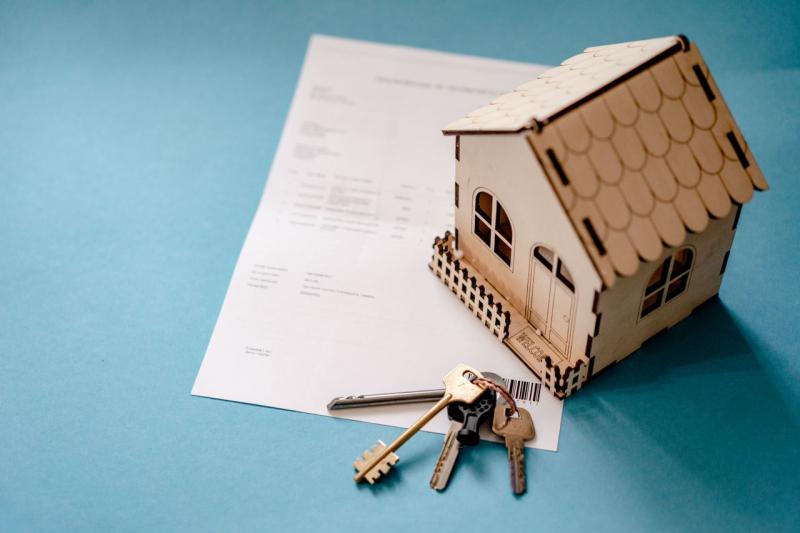
A short preparation step can save buyers, renters, and investors serious time, money, and stress. A property buying checklist in Malaysia helps you start with facts, not a rushed conversation or an attractive listing photo.
The right property buying checklist in Malaysia clarifies what you can afford, what documents you need, and which details deserve a second look. If you’re building a property buying checklist in Malaysia for a new launch, a subsale home, or an investment unit, the same rule applies: prepare before you inquire.
Start with your goal, your budget, and the people involved in the transaction.
Start Your Property Buying Checklist in Malaysia With Clear Goals
An agent can only recommend well when you give them a clear brief. “I want a good property” is too broad. A useful conversation begins with the reason you are moving, buying, or investing.
Your goal changes the property criteria. A family buying a home may prioritize commute time, schools, parking, and room to grow. A renter may care more about furnishing, move-in timing, pet rules, and deposit terms. An investor needs to look beyond the unit itself and assess rental demand, holding costs, tenant profile, and resale potential.
Turn Preferences Into Practical Requirements
Write down your preferred area, maximum budget, property type, timeline, and non-negotiables. Include items that often get missed, such as nearby rail access, maintenance fees, lift access, flood history, or whether two cars can park legally.
For example, tell the agent you are looking for a two-bedroom subsale condominium in Petaling Jaya, below RM650,000, with two parking bays, access to an LRT station, and a move-in date within four months. That brief produces better options than a vague request for “something nice.”
A focused brief also prevents wasted viewings. You should know which compromises are acceptable before an agent sends ten listings.
Separate Needs From Nice-to-Haves
A balcony, pool view, or renovated kitchen may matter, but they should not override affordability or a poor location. Rank your requirements in order. Start with budget, area, property type, size, and timing. Then consider features that improve comfort but aren’t deal breakers.
For investors, set a target rental range and holding period before the first call. For renters, set a firm ceiling that includes utility deposits and moving costs. Clear priorities keep emotion from taking control when you walk into a polished show unit.
Match the Search to Your Buyer, Renter, or Investor Role
The same property can look completely different depending on why you need it. A practical property buying checklist in Malaysia should reflect the decision you are making, not copy someone else’s buying plan.
Buyers Should Focus on Long-Term Fit
Owner-occupiers should ask whether the home still works if income, household size, or commuting patterns change. Check the building’s condition, surrounding development, monthly charges, and how easily the property may sell later.
New launches may offer staged payments and developer incentives. Subsale homes offer a visible unit, an established neighborhood, and a clearer picture of actual maintenance standards. Neither is automatically better. The right choice depends on your cash flow and timeline.
Renters and Investors Need Different Answers
Renters should confirm lease length, renewal terms, furnishing inventory, maintenance responsibility, and every deposit before paying anything. Ask whether the advertised rental amount includes parking or management charges.
Investors should ask about recent achieved rents, vacancy periods, unit supply in the area, and fees that reduce net returns. A high advertised rent is not proof of what tenants are paying. Request comparable listings and recent rental evidence where available.
The first conversation should move the search forward. It should not become a sales pitch built on assumptions.
Confirm Your Money and Documents Before Meeting an Agent
Financial readiness gives you more control. It also helps an agent filter out homes that are technically attractive but financially unrealistic.
A financing pre-approval or an early borrowing assessment is a strong starting point. Lenders assess income, existing commitments, employment history, credit records, and the property type. A pre-approval is not a final loan offer, but it gives you a more credible price range.
Know Your Safe Buying Limit
Don’t base your budget on the maximum amount a bank might approve. Review your monthly installment, existing loans, insurance, living expenses, and emergency savings. Keep cash available after the purchase, especially if the unit needs repairs, furniture, or renovation work.
Self-employed buyers should prepare business registration details, tax documents, bank statements, and evidence of stable income. Salaried buyers may need identification, salary slips, EPF statements, bank statements, and an employment confirmation. Requirements differ by lender and applicant profile.
Foreign buyers may face different financing conditions, minimum price rules, and state consent requirements. Confirm those points early with a lender and property lawyer.
Prepare Documents Before They Are Urgent
Keep clear digital copies of your MyKad or passport, income documents, proof of savings, and any existing loan details. If you are buying with a spouse, family member, or business partner, agree on ownership shares and financing responsibilities before viewing seriously.
A seller may accept another offer while you are still searching for paperwork. Speed matters after a suitable property appears, but rushed signing creates bigger problems. Documents ready in advance give you time to read the terms instead of scrambling to meet a deadline.
Budget for Costs Beyond the Property Price
The purchase price is only one part of the number. A safe budget includes transaction costs, financing costs, and an allowance for the first few months of ownership.
For Malaysian citizens and permanent residents, transfer stamp duty is generally calculated on a progressive scale. It begins at 1% for the first RM100,000, then rises across higher value bands. Foreign buyers may face different stamp duty treatment, including the 8% flat rate introduced for certain property transfers from January 2026. Your lawyer should confirm the current rule for your status and transaction.
Account for the Costs Buyers Often Miss
Legal fees, loan documentation, valuation fees, loan stamp duty, title transfer charges, state consent, and disbursements can all affect the upfront cash required. For strata properties, also check outstanding maintenance charges, sinking fund contributions, quit rent, assessment tax, and utility balances.
The agent’s fee arrangement also needs a clear conversation. Review LPPEH’s published fee guidance before agreeing to any charge. Ask who pays, when payment is due, whether tax applies, and what service is included.
For a new launch, ask about booking fees, rebates, furnishing packages, and any costs that begin after vacant possession. For a subsale home, ask whether the seller will settle outstanding charges before completion.
A property can fit the loan amount and still fail the cash-flow test once duties, legal costs, deposits, and repairs are added.
A clean budget protects you from committing to a home that leaves no room for normal life.
Verify the Property and Agent Before Sharing Money or Signing
A professional-looking listing is not proof of ownership, title status, or authority to collect money. Verify in the right order: the agent or negotiator, the property, then the documents and payment instructions.
Confirm the Agent’s Registration and Firm
Ask for the agent’s full name, REN or REA number, and agency name. A Real Estate Negotiator, or REN, works under a registered estate agency. A Real Estate Agent, or REA, is a licensed professional. Check the details through the LPPEH public search and confirm that the number matches the firm named on the listing.
Do not rely on a social media profile, WhatsApp display photo, or a business card alone. Ask whether the person has written authorization to market the property. If the person avoids simple verification questions, step back.
Malaysia’s official guidance also explains when agency fees are due in purchase and tenancy transactions. Read LPPEH’s answers on agency fees and ask for the agreed terms in writing before payment.
Check the Property Details Behind the Listing
For a subsale unit, ask to see the title details or documents that show the seller’s authority. Confirm whether the property is freehold or leasehold, whether there are restrictions in interest, and whether any bank charge, caveat, or consent issue affects the transfer.
Ask about the actual built-up area, car parks, monthly maintenance charges, and any known defects. A lawyer can perform formal title and land searches. An experienced building inspector can assess physical concerns that listing photos won’t reveal.
For a new launch, ask for the developer’s license and advertising permit details, often referred to as APDL. Confirm the expected completion date, unit layout, parking allocation, maintenance estimates, and the exact terms of any rebate.
Never send funds to an unfamiliar personal account. Payment instructions, booking documents, receipts, and appointment letters should identify the correct party and match the transaction.
Ask Better Questions and Plan the Next Steps With Your Agent
A strong first call should end with clear actions. Ask the agent to confirm the property address, asking price or rental, availability, tenure, monthly charges, viewing time, and all known upfront payments in writing.
Questions That Reveal the Real Opportunity
Buyers should ask why the owner is selling, how long the property has been listed, what offers have been received, and whether the price is negotiable. Investors should add questions about tenant occupancy, rent history, furnishing condition, and competing supply.
Renters should confirm the tenancy term, deposit structure, repair responsibilities, and whether the owner permits renewal. Don’t assume verbal promises will appear in the tenancy agreement.
When a property looks promising, involve the right professional at the right point. A lender confirms loan capacity. A lawyer reviews the sale and purchase agreement, title issues, and payment terms. A valuer helps where financing or market value needs support. A building inspector can identify costly defects before they become your problem.
Put Commitments in Writing
Ask the agent to summarize any agreed price, included furniture, repair promise, payment deadline, or special condition by email or message. Written confirmation reduces confusion later, especially when several people are involved.
PropPlace.my can help you compare options, review affordability signals, and understand market patterns before you commit. Use the first conversation to collect facts, then make decisions with the full picture.
Conclusion
A stronger property decision starts before the first viewing. Define the goal, set a safe budget, prepare your documents, estimate every likely cost, verify the agent through LPPEH, and confirm the property’s details before you sign or pay.
Preparation does not mean you must commit during the first call. It gives you the confidence to ask better questions and walk away when the terms don’t hold up.
PropPlace.my is a practical starting point for buyers, renters, and investors who want AI-assisted recommendations, affordability estimates, property comparisons, and clear guidance before speaking with an agent.