



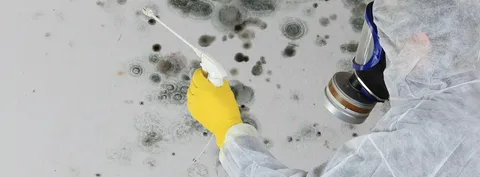
Black mold, scientifically known as Stachybotrys chartarum, is one of the most concerning types of household mold due to its potential health and structural impacts. It thrives in damp, humid environments—often appearing after leaks, floods, or persistent condensation. Because mold frequently grows behind walls, under flooring, or within HVAC systems, timely testing is essential for identifying hidden contamination that could jeopardize both home safety and occupant health.
Testing for black mold can confirm whether spores are present and help determine how extensive the contamination is. According to environmental experts, testing becomes especially important when you notice musty odors, unexplained allergy-like symptoms, or visible discoloration on walls and ceilings. Persistent moisture problems, warped building materials, or paint bubbling are also warning signs that testing is warranted moldactionplan.com redfin.com.
Homeowners can choose between DIY mold test kits and professional inspections. DIY kits—available at most hardware stores—offer air or surface sampling at a low cost, ideal for preliminary screening. However, professional inspectors use advanced spore traps and lab analysis to identify mold species and assess indoor air quality with far greater accuracy. In serious cases, especially where health issues or large infestations are suspected, professional testing is recommended.
Ultimately, the goal of black mold testing is to pinpoint the source and extent of contamination so that safe, effective remediation can begin. Prompt testing not only safeguards health but also protects property value and prevents long-term damage.