



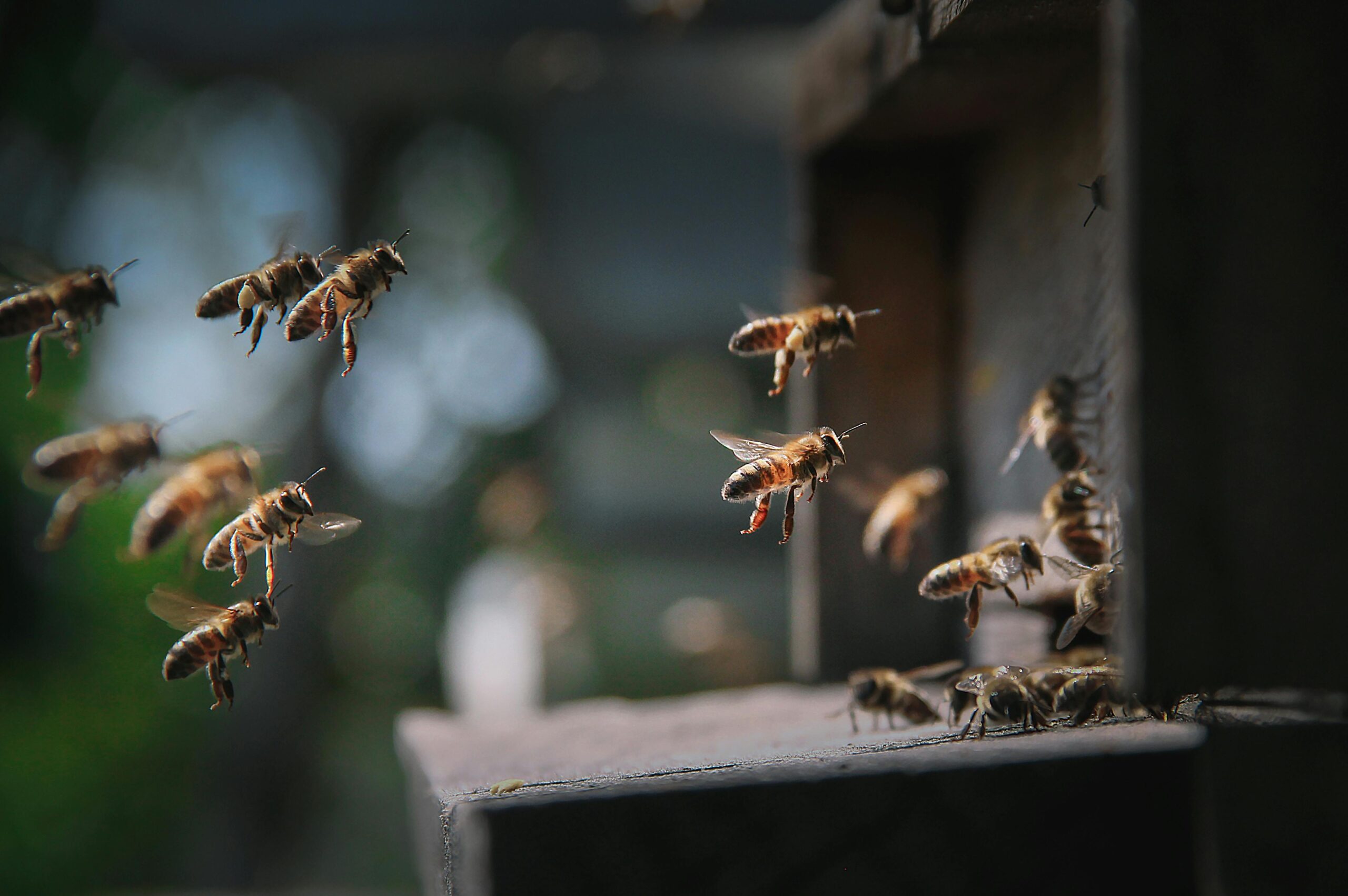
Bees play an essential role in maintaining ecological balance, pollinating plants, and supporting agricultural production. However, when bees establish hives in residential or commercial areas, their presence can create safety concerns for people while also putting the colony at risk if not handled properly. This is where bee relocation becomes an important and responsible solution that protects both humans and pollinators.
Rather than eliminating bees, relocation focuses on safely moving the colony to a more suitable environment where they can continue to thrive. This approach supports environmental sustainability while reducing unnecessary harm to an already vital species. As awareness grows, more individuals and communities are choosing humane methods that prioritize ecological responsibility over destruction.
Recognizing Safe Bee Behavior and Colony Activity
Before any relocation effort takes place, it is important to understand bee behavior and colony structure. Bees are generally not aggressive unless they feel threatened, and they often establish hives in sheltered areas such as trees, walls, attics, or underground spaces. Their presence may become noticeable through increased activity, buzzing sounds, or visible hive structures.
Because bees operate as highly organized colonies, disturbing them without proper knowledge can lead to defensive behavior. For this reason, identifying hive size, location, and activity level is an essential first step in determining how to proceed safely. Careful observation allows professionals to develop a plan that minimizes disruption while protecting both people and insects.
In many cases, trained specialists in bee relocation assess these factors before any action is taken. This ensures that the colony can be moved without unnecessary stress or harm, while also reducing risks for surrounding individuals.
Ensuring Humane Relocation Practices and Methods
Humane relocation practices are designed to preserve the health and structure of the bee colony. Instead of using harmful removal techniques, professionals carefully extract the hive and transfer it to a more suitable environment, such as a managed apiary or natural habitat. This process requires patience, precision, and a strong understanding of bee biology.
Relocation methods often involve safely detaching the hive, transporting it in specialized containers, and re-establishing it in a location where food sources and shelter are readily available. Because bees are highly sensitive to environmental changes, timing and handling are critical to ensuring colony survival.
Many services focus on environmentally conscious techniques that prioritize preservation over destruction. This approach reflects a growing commitment to protecting pollinators while addressing human safety concerns in a responsible manner.
Protecting Human Safety During Bee Encounters
While bees are generally beneficial, their presence in high-traffic or residential areas can pose risks, especially for individuals with allergies. In such situations, safety becomes a top priority. Attempting to remove or disturb a hive without proper training can lead to stings or provoke defensive swarming behavior.
Professional relocation helps minimize these risks by ensuring that bees are handled with appropriate equipment and expertise. Protective gear, controlled extraction techniques, and strategic planning all contribute to safer outcomes for both people and insects. Additionally, keeping a safe distance during the relocation process helps reduce unnecessary exposure to potential harm.
Public awareness also plays an important role in safety. When individuals recognize bee activity early and avoid disturbing the hive, they reduce the likelihood of aggressive responses. Consequently, informed action combined with professional assistance leads to safer and more effective outcomes.
Supporting Environmental Balance and Ecosystem Health
Bees are essential pollinators that contribute significantly to food production and biodiversity. Without them, many plants would struggle to reproduce, leading to long-term ecological consequences. Because of this, preserving bee populations is not just beneficial but necessary for environmental health.
Relocation supports ecosystem balance by ensuring that bees continue to perform their natural role in pollination. When colonies are safely moved instead of destroyed, they can continue contributing to plant growth, agricultural productivity, and natural biodiversity. This approach aligns with broader environmental conservation efforts that prioritize sustainability.
Furthermore, maintaining healthy bee populations helps support other wildlife species that depend on pollinated plants for food and habitat. As a result, bee relocation becomes part of a larger effort to preserve interconnected ecosystems.
Managing Urban Bee Encounters Responsibly
As urban development expands, encounters between humans and bees are becoming more common. Bees may build hives in building structures, gardens, or public spaces where human activity is frequent. In these situations, managing the interaction responsibly becomes essential.
Rather than reacting with fear or attempting DIY removal, individuals are encouraged to seek professional guidance. Proper assessment ensures that the situation is handled safely and effectively. In many cases, relocation provides a balanced solution that protects both human spaces and bee colonies.
Urban environments can still support pollinators when managed correctly. Green spaces, flowering plants, and responsible pest management practices all contribute to coexistence. With thoughtful planning, cities can remain safe while still supporting essential wildlife populations.
Promoting Awareness and Responsible Action
Education plays a key role in improving how communities respond to bee encounters. When people understand the importance of bees and the risks of improper removal, they are more likely to choose responsible solutions. Awareness helps shift perspectives from elimination to preservation.
Encouraging humane practices also supports long-term environmental goals. By choosing relocation over extermination, individuals contribute to the protection of pollinators and the stability of ecosystems. This shift in mindset reflects a growing recognition of the importance of biodiversity in everyday life.
Professionals specializing in bee relocation continue to educate communities on safe practices, helping bridge the gap between human needs and environmental responsibility. Through awareness and collaboration, safer and more sustainable outcomes can be achieved.
Supporting Long-Term Coexistence With Pollinators
Ultimately, successful coexistence between humans and bees depends on understanding, respect, and responsible action. While bee encounters in populated areas may create concern, they also present an opportunity to support environmental stewardship. Relocation offers a practical solution that aligns safety with ecological preservation.
As communities continue to grow, the importance of maintaining balanced ecosystems becomes even more critical. Bees will always play a vital role in supporting plant life and food systems, making their protection a shared responsibility. Through informed decisions and humane practices, long-term coexistence becomes not only possible but sustainable.