



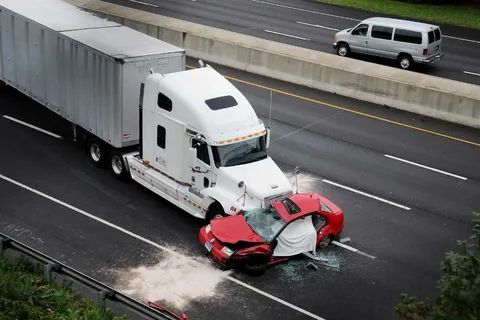
When a commercial truck collides with another vehicle in Dallas, the aftermath is often chaotic, confusing, and overwhelming for victims. Beyond medical appointments and insurance paperwork lies a critical phase: the post-crash investigation. Unlike typical car accidents, truck crashes involve complex data sources, multiple responsible parties, and regulatory compliance issues that can make or break a claim.
A thorough investigation—conducted early and with legal strategy in mind—is essential to uncover what really happened and to pursue full compensation. That’s where a seasoned Dallas Truck Accident Attorney becomes invaluable.
The Critical Role of Post-Crash Investigation
Insurance companies act fast after a truck accident. They may send investigators to the scene, contact drivers immediately, and begin evaluating liability before victims have even retained counsel.
A focused post-crash investigation, led by a knowledgeable attorney, ensures that crucial evidence isn’t lost, destroyed, or misinterpreted. It can reveal:
- Who was truly at fault
- Whether the truck driver was compliant with federal rules
- Whether the trucking company contributed to negligence
- How the crash dynamics caused specific injuries
Without a complete investigation, key evidence may disappear forever.
Key Components of a Truck Accident Investigation
A comprehensive post-crash investigation typically includes several layers of evidence collection and analysis:
-
Vehicle Telematics and Black Box Data
Commercial trucks are equipped with electronic systems that record vital information such as:
- Speed leading up to the crash
- Brake application
- Acceleration patterns
- Hours of operation
- Steering and control inputs
This data can reveal whether the driver reacted appropriately or violated safety protocols.
-
Electronic Logging Devices (ELDs)
Federal law requires commercial drivers to use ELDs to track hours-of-service. Reviewing this data helps determine whether the driver was:
- Overtired
- In violation of federal rest requirements
- Driving beyond legal limits
Violations often strengthen negligence claims.
-
Driver Qualification Files
Trucking companies must maintain records proving that drivers were:
- Properly licensed
- Trained
- Medically certified
- Checked for prior safety violations
Incomplete or falsified records can implicate the company in negligent hiring or supervision.
-
Maintenance and Inspection Logs
Mechanical failures are common contributors to truck crashes. Investigators review:
- Brake inspection reports
- Tire condition records
- Engine diagnostics
- Repair history
A pattern of poor maintenance may signal corporate negligence.
-
Accident Scene Documentation
Skid marks, debris patterns, gouge marks, and vehicle positions are all critical. Documentation may include:
- Photographs
- Laser mapping
- Witness sketches
- Surveillance footage
These details help reconstruct the crash sequence accurately.
Why Early Evidence Preservation Matters
Key evidence can disappear rapidly after an accident:
- ELD and black box data may be overwritten
- Dashcam footage may be deleted
- Roadway evidence may be cleaned up
- Witness memories fade
- Vehicles may be repaired or salvaged
Prompt legal action allows preservation letters to be sent, securing evidence that insurers and defense teams cannot easily access.
The Complexity of Trucking Company Liability
In many truck accidents, liability doesn’t stop with the driver. A thorough investigation may reveal:
- Negligent hiring practices
- Failure to enforce safety protocols
- Pressure to meet unrealistic delivery schedules
- Inadequate training programs
- Lack of proper vehicle maintenance
These corporate practices can materially affect compensation outcomes.
How Investigations Support Injury Claims
Medical documentation is a core part of any claim, but linking those injuries to the truck collision requires clear causation. Investigative findings can show:
- Force of impact correlated with specific injuries
- Vehicle dynamics that explain injury mechanisms
- Failure to brake or evasive action by the truck
- Reconstruction evidence that contradicts defense narratives
This analysis strengthens both settlement negotiations and trial presentations.
Common Tactics Used by Insurers
Insurance companies often capitalize on incomplete investigations by:
- Arguing that the victim’s injuries were pre-existing
- Claiming that the crash severity didn’t warrant claimed injuries
- Suggesting that the victim shared fault
- Questioning medical necessity
- Offering early low settlement amounts
A detailed investigation arms your attorney with facts to counter these tactics.
Why Legal Strategy Begins with Investigation
A solid legal strategy is rooted in evidence, not assumptions. A skilled Dallas Truck Accident Attorney will coordinate:
- Expert accident reconstruction
- Telematics analysis
- Medical expert reviews
- Regulatory compliance assessment
This multi-disciplinary approach ensures that every angle of the crash is examined.
What Victims Can Do to Support an Investigation
If you’ve been involved in a truck accident:
- Seek medical attention right away.
- Preserve all medical records and bills.
- Save vehicle repair estimates and photos.
- Avoid giving recorded statements to insurers without counsel.
- Provide any dashcam or surveillance footage you have.
While your attorney leads the investigation, your cooperation helps preserve critical details.
Final Thoughts
Truck accidents in Dallas can be devastating, and their legal complexity should not be underestimated. A thorough post-crash investigation is not just helpful—it’s essential to uncovering the truth, holding negligent parties accountable, and pursuing full compensation.
With powerful corporate defendants and experienced insurance defense teams on the other side, early, aggressive investigation guided by an experienced Dallas Truck Accident Attorney can make all the difference in achieving justice and closure after a serious collision.
