



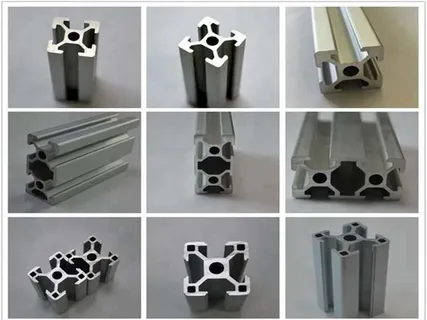
Design decisions made at the framing stage influence strength, flexibility, and long-term performance. Engineers often turn to T slot aluminum extrusion systems because they allow modular construction without welding or complex fabrication. A careful review of load, connection style, and future needs ensures that an extruded aluminum T slot structure performs exactly as intended.
Profile Size That Matches Structural Load Demands
Profile size forms the foundation of any frame. Larger cross-sections generally support higher loads and resist bending, while smaller profiles suit lighter assemblies. Selecting the right T slot extrusion begins with calculating the weight the structure must carry, including equipment, panels, or moving components. Load distribution also matters. Even if the overall weight seems moderate, concentrated loads at certain points can overstress a profile. MiniTec Aluminum Framing systems offer multiple profile sizes designed for different strength requirements. Choosing a profile that comfortably exceeds expected loads prevents sagging and premature fatigue.
Slot Geometry That Fits Required Fasteners
Slot geometry determines what hardware can be used inside the frame. Standardized slots accept specific nuts, bolts, and accessories that lock securely into place. Reviewing slot width and depth ensures compatibility with the fasteners planned for the project.
Fastener fit influences assembly speed and structural integrity. Using hardware that matches the T slot aluminum extrusion profile reduces the risk of loosening under vibration. MiniTec extruded aluminum framing systems often include standardized slot dimensions that simplify hardware selection and improve reliability.
Span Length Limits for Beams Under Weight
Long spans without intermediate support increase the risk of bending. Each T slot extrusion profile has recommended span limits based on its moment of inertia and load rating. Ignoring these limits can lead to noticeable deflection over time.
Structural calculations help determine when additional supports are necessary. Extending spans beyond recommended values may compromise safety or alignment. Reviewing manufacturer load charts before finalizing layout keeps beams within safe operating ranges.
Deflection Ratings for Moving Assemblies
Frames supporting motion systems, such as conveyors or sliding carriages, must limit deflection carefully. Even slight flex can affect tracking and alignment. Reviewing deflection ratings ensures that the extruded aluminum T slot system maintains dimensional stability.
Motion assemblies place dynamic loads on frames. This added stress requires careful profile selection and bracing. MiniTec Aluminum Framing designs often include reinforcement options that improve stiffness for moving components.
Surface Finish Suited for the Work Setting
Surface finish affects corrosion resistance and appearance. Anodized finishes resist oxidation and improve durability in humid environments. Powder-coated options may enhance aesthetics or visibility in production areas. Work setting conditions guide finish selection. A T slot aluminum extrusion used near chemicals may require additional protection. Reviewing environmental factors helps maintain both performance and visual consistency over time.
Connector Types Needed for Joint Strength
Connections define how well a frame handles stress. Internal connectors, external brackets, and gussets each serve different structural roles. Reviewing joint requirements ensures adequate strength at load-bearing intersections.
Connector selection also affects assembly speed and adjustability. MiniTec extruded aluminum framing systems often provide modular connectors that allow precise alignment without permanent fastening. Matching connector type to load path strengthens the overall structure.
Mounting Base Options for Floor or Machine Tie in
Frames frequently attach to floors or integrate with existing machinery. Reviewing base mounting options ensures secure anchoring. Leveling feet, anchor plates, and vibration dampers each serve specific installation needs.
Anchoring methods influence stability under operational forces. A well-designed mounting base prevents shifting and maintains alignment. Selecting compatible mounting hardware for a T slot extrusion system supports long-term reliability.
Tolerance Levels Required for Alignment Accuracy
Precision projects require strict alignment tolerances. Reviewing acceptable dimensional variation before specifying profiles ensures the frame meets performance standards. Tighter tolerances reduce cumulative error across large assemblies.
Manufacturing tolerances vary between suppliers. MiniTec Aluminum Framing components are engineered with consistent dimensional accuracy to support precise builds. Evaluating tolerance requirements early prevents alignment challenges during assembly.
Future Expansion Needs Within the Frame Layout
Modular framing systems offer flexibility for future modifications. Reviewing potential expansion needs during the design phase allows space for additional components. Planning ahead reduces the need for major redesign later.
Expansion capability often influences profile spacing and connector choice. A T slot aluminum extrusion frame can accommodate added panels, guards, or automation modules if designed with growth in mind. Considering future requirements enhances adaptability.
Minitec Solutions provides a comprehensive range of aluminum framing systems designed to meet diverse structural and automation needs. Their MiniTec Aluminum Framing lineup includes various profile sizes, compatible connectors, fastening hardware, and modular accessories that support everything from machine guards and workstations to full production lines. With flexible T slot aluminum extrusion options and precision-engineered components, they help engineers and manufacturers build adaptable, scalable structures that can evolve as operational demands change.
