



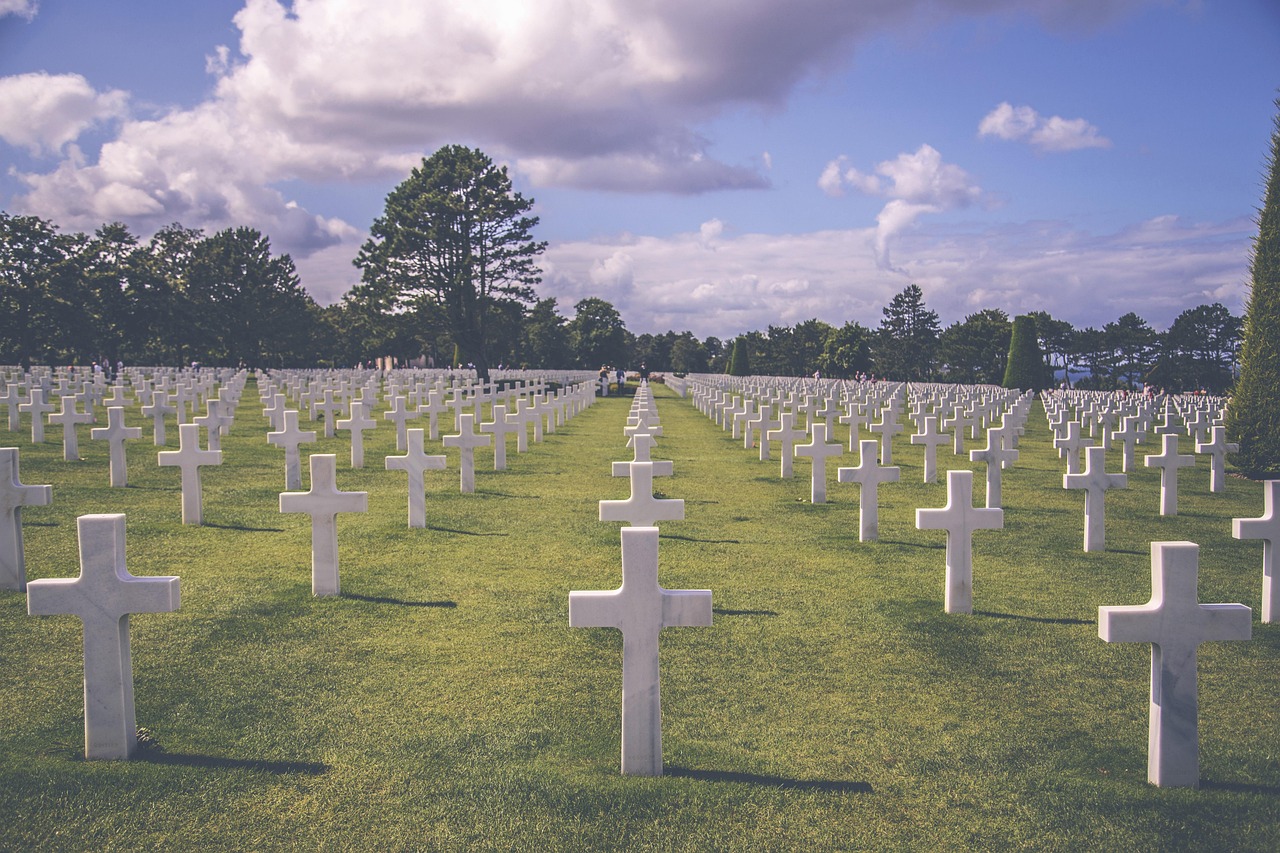
Losing someone we care about brings profound sadness alongside the responsibility of honoring their life in meaningful ways. The memorial choices we make during this emotional time can provide comfort, preserve legacies, and help us navigate the grieving process.
Today’s options extend far beyond traditional funeral services to include creative, personal, and values-driven alternatives that reflect who the person truly was. This article explores various approaches to memorialization, from living tributes to charitable giving, helping you understand what’s available and what might resonate with your family’s needs.
Living Memorial Trees and Gardens
Planting a tree or creating a dedicated garden space provides a living tribute that grows and changes with the seasons. Many families choose native species that attract wildlife, creating a small ecosystem in remembrance of their loved one.
Memorial gardens can be established in private yards, public parks through municipal programs, or designated memorial forests managed by conservation organizations. This option appeals to those who find comfort in nature and want a physical place to visit that evolves over time.
Personalized Memorial Jewelry and Keepsakes
Incorporating a small portion of cremated remains into jewelry pieces allows family members to keep their loved one close in a discreet, wearable form. Artisans and specialized companies create pendants, rings, and bracelets using glass infusion techniques or small compartments designed for this purpose.
Beyond cremation jewelry, other keepsakes include fingerprint engravings, handwriting reproductions, or artwork incorporating the deceased’s favorite colors or symbols. These tangible items provide comfort during difficult moments and can be passed down through generations as family heirlooms.
Memorial Scholarship Funds
Establishing an educational fund in someone’s name creates opportunities for students while preserving the deceased’s commitment to learning or specific causes. These scholarships can be set up through schools, universities, community foundations, or professional organizations related to the person’s career field.
The criteria can reflect the individual’s values, whether supporting students from particular backgrounds, academic disciplines, or geographic areas. Annual scholarship presentations keep the person’s memory alive within the community and create a lasting impact beyond their lifetime.
Green Burial Options
Natural burial practices allow the body to return to the earth without embalming chemicals, metal caskets, or concrete vaults that slow decomposition. Bodies are typically placed in biodegradable shrouds or simple wooden caskets and buried in protected natural areas that function as conservation land.
Green cemeteries and natural burial grounds can be found through funeral homes, such as Laurel Hill West & Laurel Hill Funeral Home, as well as conservation cemetery networks, and some traditional cemeteries that have added natural burial sections. This choice appeals to environmentally conscious individuals and often costs less than conventional burial while supporting land preservation efforts.
Memorial Benches and Public Art
Dedicating a bench in a park, garden, or along a favorite walking trail creates a resting place where others can pause and reflect. Many municipalities and parks departments maintain programs for memorial bench installations, typically including an engraved plaque with the person’s name and dates.
Public art installations, murals, or sculpture dedications offer more elaborate options for those seeking permanent community landmarks. These memorials serve dual purposes by beautifying shared spaces while providing quiet spots for remembrance.
Charitable Donations and Ongoing Giving
Directing memorial contributions toward causes the deceased cared about transforms grief into action that addresses real needs. Families often request donations to specific charities in obituaries or create giving pages that explain why particular organizations mattered to their loved one.
Some establish donor-advised funds or endowments that generate ongoing support for years to come. This approach works particularly well when the person had strong philanthropic interests or connections to specific nonprofits, medical research organizations, or community groups.
Water-Based Memorial Options
Scattering cremated remains at sea follows maritime traditions and suits those who felt deep connections to oceans, lakes, or rivers. Licensed services provide boats and ceremonies that comply with environmental regulations, which typically require biodegradable urns and scattering at specific distances from shore.
Some companies offer reef ball programs where remains are mixed into concrete structures that become artificial reefs supporting marine ecosystems. Water-based memorials resonate with sailors, fishermen, beachgoers, and anyone who found peace near water.
Memorial Quilts and Textile Art
Transforming clothing items into quilts allows families to repurpose favorite garments into functional art that provides warmth and comfort. Professional quilters and crafters can incorporate shirts, ties, uniforms, or other fabrics significant to the deceased into designs ranging from traditional patterns to modern artistic compositions.
Memory bears and pillows offer smaller-scale options that preserve single cherished items like wedding dresses or baby clothes. These textile memorials become treasured possessions that make the person’s presence feel tangible during gatherings and quiet moments alike.
Digital Memorials and Online Tributes
Creating dedicated websites or social media memorial pages allows far-flung friends and family to share memories, photos, and stories in one accessible location. Many funeral homes now offer permanent online memorial pages as part of their services, while independent platforms specialize in hosting tribute sites with photo galleries and guestbooks.
These digital spaces can remain active indefinitely, allowing future generations to learn about their ancestors through collected stories and images. The format particularly benefits families spread across different cities or countries who cannot easily gather in person.
Memorial Concerts and Artistic Performances
Organizing musical performances or art exhibitions celebrating the deceased brings communities together through shared cultural experiences. Local musicians, theater groups, or artists often participate in tribute events, especially when the person who passed was involved in the arts.
Venues range from intimate home gatherings to formal concert halls or galleries, depending on the scope and the individual’s connections. These celebrations honor creative spirits while allowing attendees to process grief through beauty and emotional expression that transcends words.
The ways we choose to remember those we’ve lost say as much about their impact on our lives as they do about our own values and healing processes. No single approach works for everyone, and many families combine multiple memorial options to create comprehensive tributes.
What matters most is selecting remembrances that feel authentic to the person who has passed and provide genuine comfort to those left behind. Taking time to explore different possibilities allows families to make thoughtful decisions that honor their loved one’s memory in ways that will remain meaningful for years to come.
