



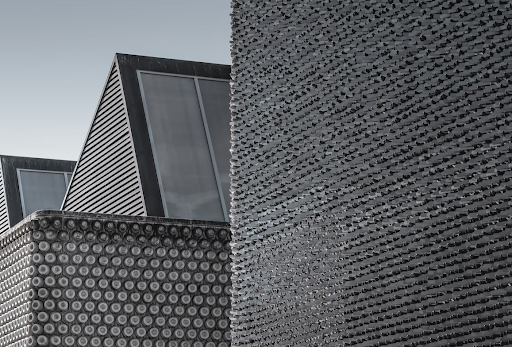
Architectural precast concrete has become a popular choice in modern construction due to its versatility, aesthetic appeal, and strength. From commercial buildings to residential projects, this material offers a durable solution that can be customized to suit various architectural designs.
However, like any construction material, the longevity and performance of architectural precast concrete structures depend on proper maintenance and understanding of its durability characteristics.
-
Understanding the Durability of Architectural Precast Concrete
One of the key benefits of architectural precast concrete is its inherent durability. The controlled manufacturing process allows for consistent quality, dense concrete mix, and proper curing, which enhances the material’s resistance to cracking, weathering, and wear.
Unlike traditional cast-in-place concrete, precast elements are produced in a controlled environment, minimizing defects and ensuring uniform strength. This makes architectural precast concrete ideal for building façades, cladding, and structural components that must withstand long-term exposure to environmental factors.
-
Resistance to Weather and Environmental Factors
Architectural precast concrete is highly resistant to environmental challenges such as rain, wind, temperature fluctuations, and UV exposure. The dense composition of precast panels prevents water penetration, reducing the risk of freeze-thaw damage in colder climates.
Additionally, it resists chemical exposure, such as de-icing salts or pollution, which can corrode or weaken traditional concrete over time. This inherent resistance contributes significantly to the longevity and durability of buildings constructed with architectural precast concrete.
-
Surface Finishes and Protective Treatments
The appearance and performance of architectural precast concrete can be enhanced through surface finishes and protective treatments. Techniques such as sandblasting, acid etching, staining, or applying sealants can improve both aesthetics and durability.
Sealants, in particular, provide an additional barrier against moisture, dirt, and pollutants, reducing the need for frequent cleaning or repairs. Properly treated precast elements maintain their visual appeal and structural integrity for decades.
-
Routine Inspection and Cleaning
Maintenance of architectural precast concrete structures begins with routine inspections. Checking for surface damage, discoloration, efflorescence, or minor cracks helps identify issues early.
Cleaning should be performed using gentle methods to avoid damaging the concrete surface. Low-pressure washing or non-abrasive detergents are recommended. Regular inspection and cleaning prevent minor problems from developing into significant structural concerns.
-
Repair and Restoration Techniques
Despite its durability, architectural precast concrete may require occasional repairs due to accidental impact, settlement, or natural wear. Repairs typically involve patching cracks, replacing damaged panels, or applying compatible repair mortars.
Restoration can also include resurfacing techniques to restore original finishes. Working with experienced contractors ensures that repairs are consistent with the original design and do not compromise structural performance.
Conclusion
Architectural precast concrete offers exceptional durability and versatility, making it a preferred choice for modern construction projects. Its strength, weather resistance, and aesthetic flexibility ensure long-lasting performance. However, to fully benefit from these qualities, regular maintenance, inspections, and protective measures are essential.
By understanding the durability characteristics and implementing a proper maintenance plan, property owners can preserve the beauty, safety, and functionality of architectural precast concrete structures for decades, ensuring that these investments remain valuable and visually appealing over the long term.
