



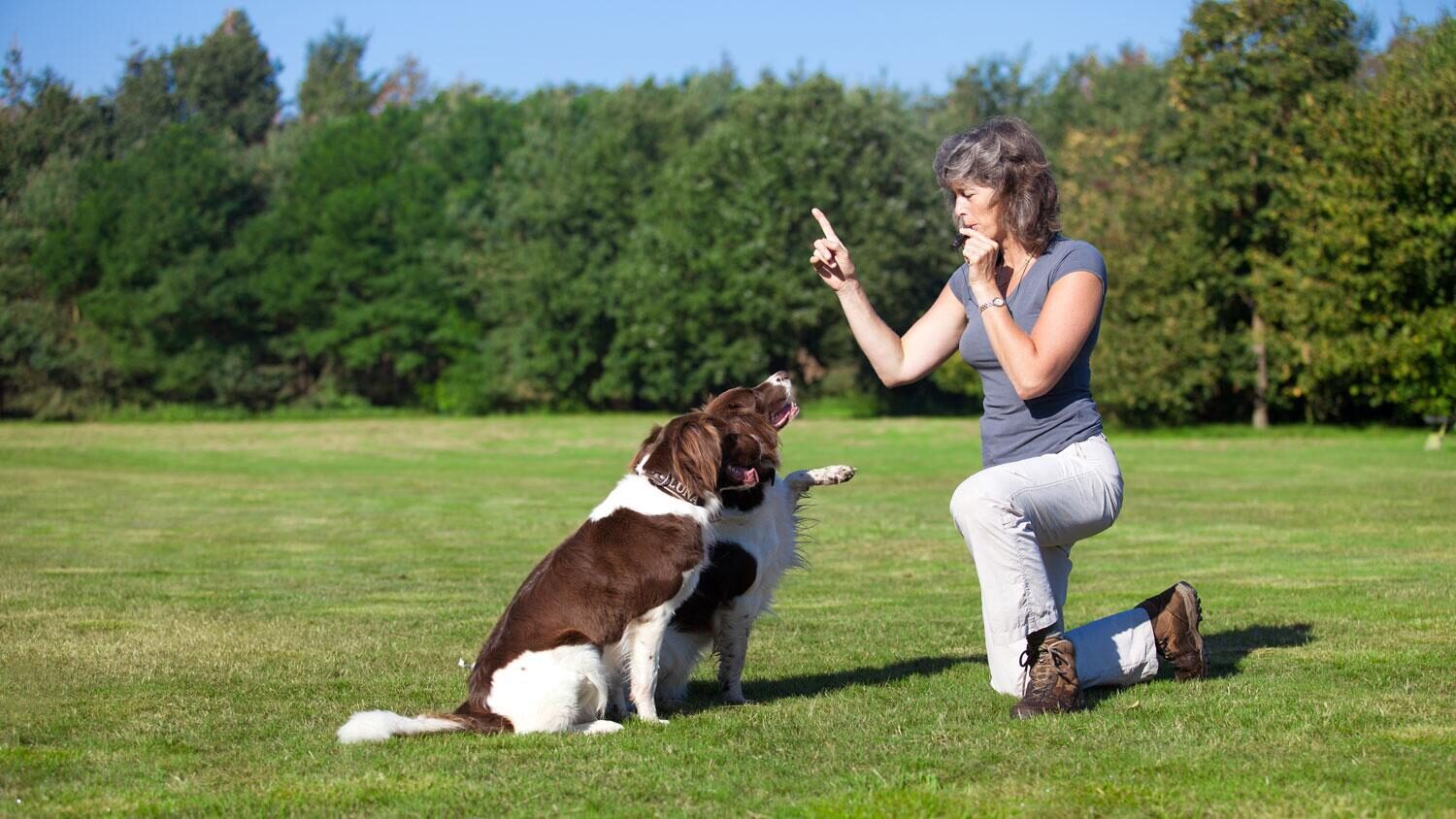
A dog training maintenance program helps dogs maintain the skills, manners, and behaviors they have learned through professional training. Many owners focus on initial training but overlook the importance of continued practice and reinforcement. Without regular guidance, even well-trained dogs can develop unwanted habits over time.
At Rob’s Dog Training, ongoing training support helps owners strengthen communication with their dogs while adapting to new challenges. A maintenance approach focuses on consistency, real-life situations, and long-term success rather than short-term results.
Why a Dog Training Maintenance Program Matters
Dog training is not a one-time event. Dogs continue to learn throughout their lives, and their behaviors can change due to age, environment, routines, and experiences. A dog that responds well to commands at home may struggle with distractions, visitors, new locations, or changes in daily habits.
A dog training maintenance program provides structured opportunities to refresh obedience skills and reinforce positive behaviors. Regular sessions can help prevent regression and ensure that training remains effective as a dog grows and develops.
Some key benefits include:
- Reinforcing basic obedience commands such as sit, stay, come, and heel
- Improving focus around distractions
- Addressing new behavior challenges early
- Building stronger communication between dogs and owners
- Supporting confidence in different environments
Consistent training creates predictable expectations, helping dogs understand what behaviors are rewarded and encouraged.
Building Long-Term Success Through Continued Dog Training
Many owners assume that once a dog completes obedience training, the work is finished. However, dogs require ongoing reinforcement just like people need continued practice to maintain important skills.
A maintenance plan allows training techniques to become part of everyday life. Instead of only practicing commands during formal sessions, owners learn how to incorporate training into walks, playtime, household routines, and social situations.
For example, a dog that has learned leash manners may need continued practice when walking in busier areas. A dog that has mastered recall in a controlled setting may need additional reinforcement around other animals, sounds, or outdoor distractions.
Long-term training success depends on:
- Regular repetition
- Clear communication
- Positive reinforcement
- Consistent expectations
- Adjustments based on the dog’s needs
A professional trainer can help identify areas that need improvement and provide strategies that support lasting behavioral progress.
What to Expect From a Dog Training Maintenance Program
Every dog has unique behaviors, experiences, and learning patterns. A quality maintenance program should be flexible and designed around the individual dog rather than following a one-size-fits-all approach.
A typical program may include:
Behavior Review and Skill Assessment
Maintenance training often begins with reviewing the dog’s current abilities. This helps determine which commands are reliable and which areas require additional attention.
A trainer may evaluate:
- Obedience responses
- Leash behavior
- Social skills
- Impulse control
- Reaction to distractions
This assessment creates a clear plan for continued improvement.
Reinforcement of Existing Training
Dogs benefit from practicing skills they already know. Repetition helps maintain reliability and prevents commands from becoming inconsistent.
Training sessions may focus on strengthening:
- Recall reliability
- Calm greetings
- Proper walking behavior
- Place commands
- Household manners
Refreshing these skills helps dogs respond appropriately in everyday situations.
Addressing New Challenges
Dogs may develop new behaviors as their circumstances change. Moving homes, introducing another pet, changes in family schedules, or aging can all influence behavior.
A maintenance program allows owners to address these challenges before they become difficult habits. Early intervention often makes behavior modification easier and more effective.
The Role of Owners in Maintaining Dog Behavior
Successful dog training depends on the relationship between the dog and the owner. Professional sessions provide valuable guidance, but daily consistency at home is what helps behaviors become permanent.
Owners can support continued progress by:
- Practicing commands regularly
Short training sessions throughout the week can be more effective than occasional long sessions. - Rewarding desired behaviors
Positive reinforcement encourages dogs to repeat behaviors that receive approval. - Creating clear expectations
Dogs learn faster when rules and boundaries remain consistent. - Providing mental stimulation
Training exercises, puzzle activities, and structured play help keep dogs engaged and focused.
A strong owner-dog relationship develops through communication, trust, and consistent interaction.
How Maintenance Training Supports Different Life Stages
Dogs experience different challenges as they move through life. Puppies may need continued reinforcement after basic puppy training, while adult dogs may require support with changing behaviors or new environments.
A dog training maintenance program can help during different stages, including:
- Puppy development and socialization
- Adolescent behavior changes
- Adult obedience reinforcement
- Senior dog adaptation
Each stage brings different needs. Continued training ensures dogs receive appropriate guidance as they mature.
Preventing Behavioral Setbacks Before They Happen
Many behavior problems become more difficult when they are ignored for too long. Small issues, such as inconsistent recall or increased pulling on walks, can gradually become stronger habits.
Maintenance training helps owners recognize early warning signs and make adjustments before problems escalate.
Common concerns that can benefit from ongoing support include:
- Excessive excitement
- Poor impulse control
- Jumping on people
- Leash pulling
- Difficulty following commands around distractions
Regular training keeps expectations clear and helps dogs continue making positive choices.
Choosing a Professional Dog Training Partner
Selecting the right trainer is an important step in maintaining a dog’s progress. Owners should look for professionals who understand canine behavior, use effective training methods, and focus on building a healthy relationship between dogs and people.
A reliable training partner should provide:
- Personalized training strategies
- Clear communication with owners
- Practical techniques for daily life
- Support beyond initial training sessions
The goal of maintenance training is not simply obedience. It is helping dogs become well-adjusted companions that can confidently navigate different situations.
Creating a Lifetime of Better Behavior
Dog training is an ongoing journey that continues long after the first lessons. A dog training maintenance program gives owners the tools and support needed to preserve good habits, improve communication, and address new challenges as they appear.
With consistent practice and professional guidance, dogs can continue developing reliable behaviors throughout their lives. Ongoing training creates a stronger bond between owners and their pets while supporting a happier, more balanced relationship.
For expert guidance and continued training support, visit Rob’s Dog Training at robsdogs to learn more about building a long-term training plan for your dog.