



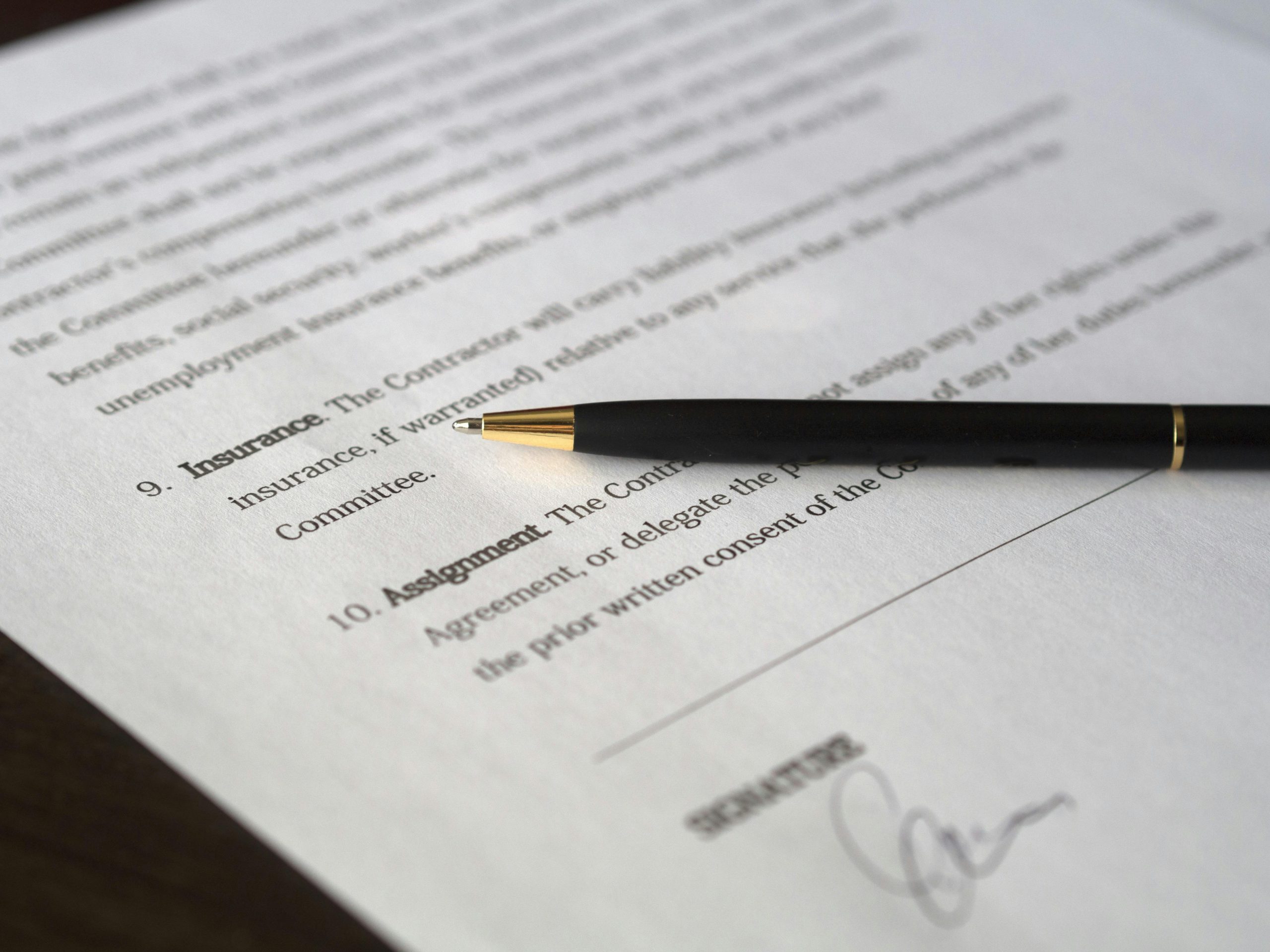
Running a contracting business comes with many risks. Accidents, property damage, or unexpected lawsuits can happen at any time, and without proper insurance, the financial consequences can be severe. Understanding the types of insurance available helps contractors protect their business, their employees, and their clients. With the right coverage, you can focus on your work with peace of mind rather than worrying about potential disasters.
Insurance is more than a legal requirement—it’s a tool that allows your business to grow confidently. Contractors who plan ahead often avoid costly interruptions and maintain a strong reputation with clients. Working with professionals can help you identify the coverage that fits your specific needs. Each type of insurance serves a different purpose, and understanding them is the first step toward long-term stability.
General Liability Insurance Protects Against Everyday Risks
General liability insurance is one of the most important types of coverage for any contractor. It protects against claims of property damage, bodily injury, or accidents that occur on a job site. Even simple mishaps, like a dropped tool causing damage to a client’s property, can result in costly legal claims if you’re not covered.
Having this insurance not only protects your finances but also demonstrates professionalism to clients. It gives them confidence that your business is responsible and prepared for the unexpected. Without it, even minor incidents could put a serious strain on your business.
Workers’ Compensation Covers Employee Injuries
For contractors with employees, workers’ compensation is essential. This type of insurance provides medical care and wage replacement if an employee is injured while on the job. Construction and contracting work can be physically demanding, so the risk of accidents is higher than in many other industries.
Workers’ compensation also protects your business from lawsuits related to workplace injuries. When employees know they are covered, they are more likely to work safely and with confidence. It’s a safety net that benefits both your team and your company’s bottom line.
Commercial Auto Insurance Handles Vehicle Risks
Many contractors rely on vehicles to transport tools, equipment, and materials. Standard personal auto insurance may not cover accidents that occur during business use. Commercial auto insurance protects your vehicles and your business in the event of collisions, theft, or damage while on the job.
This coverage ensures that an accident doesn’t disrupt your operations or drain your finances. It also reassures clients that your company takes safety seriously. Proper vehicle insurance keeps your business moving without unexpected financial setbacks.
Professional Liability Insurance for Specialized Services
Some contractors offer specialized services that require expert advice or technical work. Professional liability insurance, sometimes called errors and omissions insurance, protects against claims of negligence or mistakes in your work. Even well-intentioned professionals can face lawsuits if a client believes a project was handled improperly.
Having this coverage helps contractors manage risk while taking on complex or high-value projects. It demonstrates accountability and can make your business more attractive to clients who want assurance of quality and responsibility.
Equipment and Property Insurance Safeguards Your Tools
Tools and equipment are essential for any contracting business, and replacing them can be costly. Equipment and property insurance covers damage, loss, or theft of your tools, machinery, and office property. For contractors who rely on specialized equipment, this protection is critical to maintaining operations.
Without this coverage, a single theft or accident could stall projects and cause financial strain. Insurance ensures that your business can recover quickly and continue serving clients without interruption. Protecting your tools is just as important as protecting your employees or clients.
Conclusion
Understanding and securing the right types of insurance is a cornerstone of running a successful contracting business. From general liability to workers’ compensation, commercial auto, professional liability, and equipment coverage, each serves a unique purpose in protecting your company.
Contractors who invest in the right insurance are better prepared for the unexpected, build trust with clients, and can focus on growth with confidence. Examples from Sierra Oak Insurance Services Inc illustrate how comprehensive coverage helps businesses stay resilient. Knowing your options ensures that your contracting business remains strong, secure, and ready for whatever challenges arise.
